Strength Training for Women: Build Muscle, Energy and Confidence
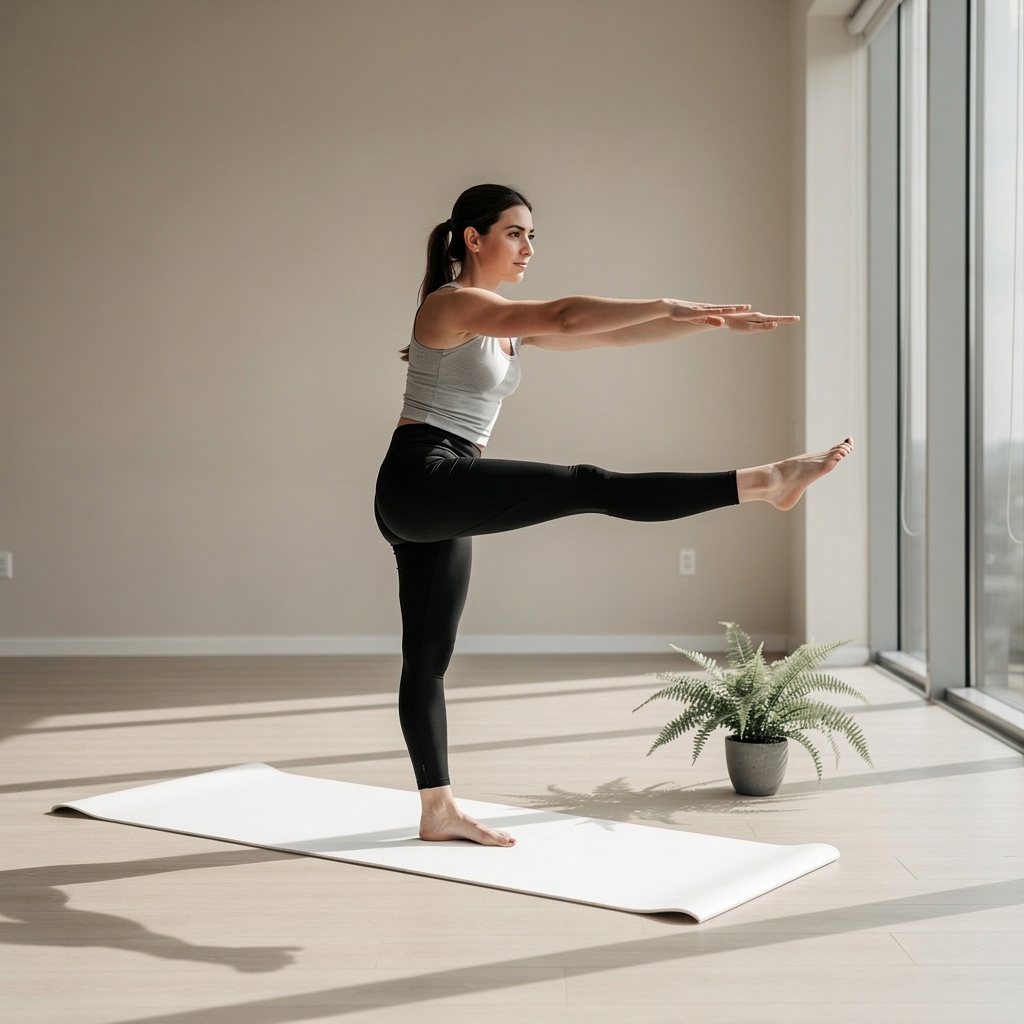
Strength training is not only for athletes. For women of every age it is one of the most useful habits you can build. It supports your bones, your metabolism, your posture and your mood, and it makes everyday life, from carrying shopping to chasing a toddler, feel easier.
Why it matters at any age
Bone and muscle strength build up through early adulthood, and it is never too early or too late to bank as much as you can. The CDC recommends that adults do muscle-strengthening activity at least two days a week, alongside aerobic exercise, and the World Health Organization gives very similar guidance. Strength work also helps with stress, sleep and energy, and many women find it transforms how they feel in their bodies.
Common myths
- "I will get bulky." Building large muscles takes years of focused training and specific nutrition. Most women simply become stronger and more toned.
- "Cardio is enough." Cardio is great for your heart, but strength work does things it cannot, like building muscle and bone.
- "I do not have time." Two or three sessions of 30 minutes a week are plenty.
A simple starter routine
Do this two or three times a week, with a rest day between sessions. Start with a weight you can lift for 10 to 12 repetitions with good form. The NHS also has a helpful page of strength and flexibility exercises.
- Squats or goblet squats. Legs and glutes.
- Deadlifts or hip hinges. The back of your body.
- Push-ups, on a bench or on your knees if you need to. Chest, shoulders and arms.
- Rows with dumbbells or a band. Back and posture.
- Overhead press. Shoulders and upper body.
- Planks. Core strength.
Do two or three sets of each, resting about a minute between sets.
Progress gradually
When the last repetitions start to feel easy, add a little weight or an extra set. Slow, steady progress beats rushing and risking injury.
Look after your body
- Warm up for five minutes with light movement.
- Prioritise form over weight. Consider a session with a trainer to learn the basics.
- Eat enough protein and stay hydrated.
- Sleep well. Recovery is when your muscles actually get stronger.
- Train your pelvic floor too, especially if you have had children.
If you are pregnant, postpartum or have an injury
Speak to your doctor or a qualified trainer first. Strength training is often possible and beneficial, but the right approach depends on your body.
Strong is not a size. It is how you feel when you carry your own weight with ease.
This article is for adults and offers general information, not medical advice. Check with your doctor before starting a new exercise programme.
Related reading: Pelvic Floor Strength: The Quiet Secret to Comfort and Pleasure and Your Hormones: Cycles, Stress and What Helps.