Menopause, Explained: What Is Happening and What Helps
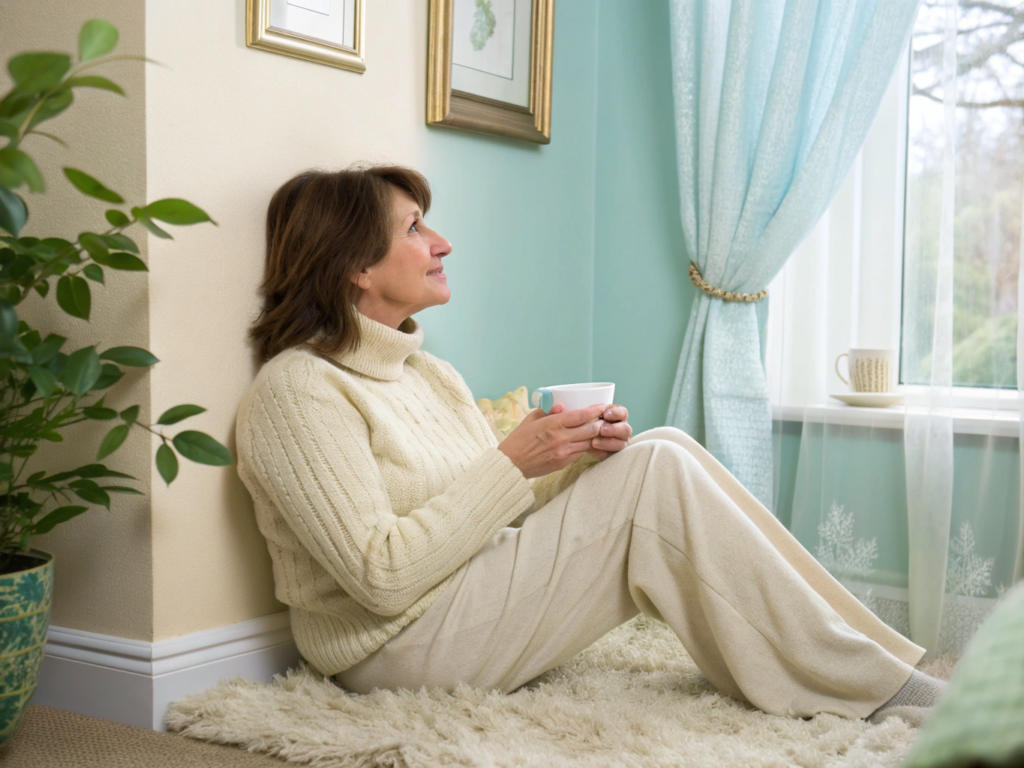
Nobody hands you a manual for menopause. One day you are warm in a cool room, the next you are awake at 3 a.m. wondering what happened to your body. The good news is that this is a normal, well-understood stage of life, and there is a lot you can do to feel like yourself again.
What is actually happening
Menopause is the point twelve months after your last period. The years leading up to it are called perimenopause, or the menopausal transition, and that is when most symptoms begin. Your ovaries make less oestrogen and progesterone, and your body takes time to adjust. Most women reach menopause between 45 and 55. The National Institute on Aging explains the stages clearly in its guide to what menopause is.
The symptoms you may notice
- Hot flushes and night sweats. Sudden waves of heat, often worst at night.
- Sleep changes. Trouble falling asleep or waking too early.
- Mood shifts. Irritability, low mood or anxiety that feels new.
- Vaginal dryness. Tissue becomes thinner and drier, which can make sex uncomfortable.
- Changes in desire. For some women it dips, for others it rises. Both are normal.
Not every woman has every symptom, and they vary a great deal in length and strength. There is no "right" way to go through it.
What can help
Small, steady habits make a real difference.
- Move your body. Walking, dancing and strength work support mood, sleep and bones.
- Dress in layers. Cotton and linen, a fan by the bed and a cool pillow help with night sweats.
- Notice your triggers. Alcohol, spicy food and hot drinks set off flushes for some women.
- Protect your sleep. A regular bedtime and a cool, dark room matter more than ever.
- Look after intimate comfort. A good vaginal moisturiser and lubricant can transform how sex feels. Mayo Clinic has a helpful explanation of how to treat vaginal dryness after menopause.
When to talk to your doctor
If symptoms disturb your sleep, work or relationships, speak to a doctor. Treatments exist, including hormone therapy for some women and non-hormonal options for others, and the right choice depends on your health history. The Menopause Society offers patient education resources that can help you prepare questions for your appointment. Always see a doctor about any bleeding after menopause.
Menopause is not the end of anything. It is a change of season.
Making it your own
Many women say that the years after menopause bring a new clarity. You may care less about pleasing everyone and more about what feels good. Make room for that, in your wellbeing routines and in your intimate life.
This article is for adults and offers general information, not medical advice. If you have any concerns about your health, talk to your doctor.