Better Sleep After 50: Seven Habits That Actually Help
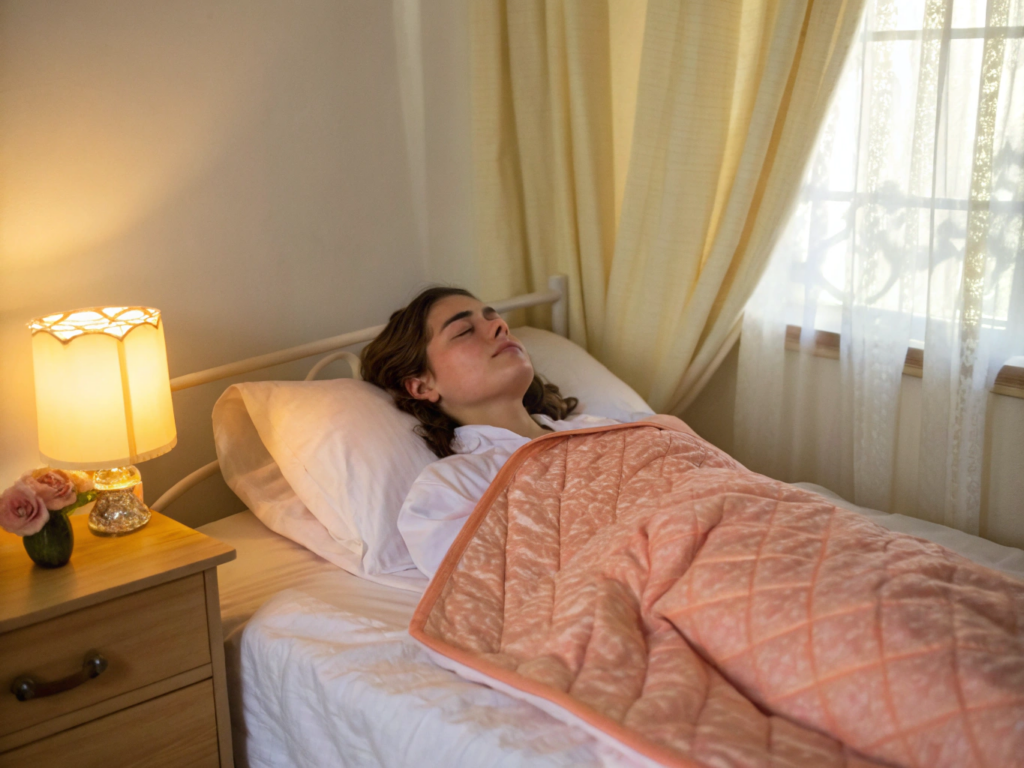
If you sleep worse than you did at thirty, you are far from alone. Hormones, stress, aches and a busier mind all play a part. But disturbed nights are not simply "part of getting older", and small changes often bring big improvements.
How much sleep do you need?
Most older adults need about seven to nine hours a night, just like younger adults. The CDC sets out recommended hours by age in its overview of sleep. What matters is waking up feeling rested more often than not.
Seven habits worth trying
1. Keep a steady rhythm
Go to bed and get up at about the same time every day, weekends included. Your body clock loves routine.
2. Get morning light
Ten to twenty minutes of daylight early in the day helps set your body clock and makes evenings sleepier.
3. Build a wind-down
Dim the lights, put the phone away and do something gentle for half an hour: a book, soft music or a warm bath. The National Institute on Aging suggests this kind of routine in its advice on sleep and older adults.
4. Make the bedroom a sleep room
Keep it cool, dark and quiet. If night sweats trouble you, choose breathable bedding and keep a fan close.
5. Watch caffeine, alcohol and late meals
Caffeine can linger for hours. Alcohol may help you drift off but tends to wake you in the second half of the night.
6. Move during the day
Regular exercise improves sleep quality. Try to finish vigorous workouts a few hours before bed.
7. Do not lie awake fretting
If you cannot sleep after about twenty minutes, get up, sit somewhere dim and do something calm until you feel sleepy. Then try again.
Good sleep is not a luxury. It is the foundation for everything else you want to do.
A note on intimacy and rest
Many women find that closeness, an orgasm or simply a cuddle helps them unwind. Pleasure releases tension and can make falling asleep easier. It is a lovely, free part of a bedtime routine.
When to see a doctor
Loud snoring with pauses in breathing, restless legs, or insomnia that lasts weeks deserve a medical check. Sleep apnoea and other treatable conditions become more common with age. Speak to your doctor before starting any sleep medication or supplement.
This article is for adults and offers general information, not medical advice. If you have any concerns about your health, talk to your doctor.